When a security guard is a no-call, no-show, cover the post first and deal with discipline later. In the first hour, confirm the officer is missing, try to reach them, hold or fill the post, tell the client if your contract requires it, and document every step with a timestamp.
The hard part is doing all of that at 2 a.m., when the only person awake at your company may be the officer waiting to be relieved. This plan shows you who does what, and how to stop a no-show from depending on one manager’s cell phone.
What counts as a no-call, no-show for a security guard?
A no-call, no-show is when a scheduled officer misses the start of a shift and gives you no notice. A call-off comes with notice, and a late officer is on the way. Define all three in your written policy, because each calls for a different response.
An empty post can leave a client site open, breach your contract and keep the outgoing officer on site past the end of the shift. Turnover makes it harder to fill. In the Trackforce 2025 Physical Security Operations Benchmark Report, as reported by ASIS International’s Security Management, more than 40 percent of security service providers named turnover as their top challenge.
What should you do in the first hour after a guard no-show?
Work these steps in order. Trackforce publishes a similar first-hour plan built on short time windows. Write your own windows into your policy.
- Confirm the miss. Check the clock-in or post check-in in your platform. Ask the outgoing officer whether the relief has arrived.
- Contact the officer. Call, then text, then try the emergency contact on file. Log each attempt with the time and method. If you learn of an emergency, the call becomes a welfare matter, not a discipline matter.
- Hold the post. Ask the outgoing officer to stay if they can do so safely and within your overtime and fatigue rules. Record who approved the holdover.
- Find a replacement. Offer the shift to available officers who are qualified and cleared for that site.
- Send a supervisor or rover. If nobody accepts the shift, send a supervisor or mobile officer to cover until a replacement arrives.
- Tell the client. If the contract requires notice, call the client contact, explain what happened and say when the post will be covered.
- Document it before the shift ends. Write the incident report while the times are fresh.
Who should handle a no-show at 2 a.m.?
The person who handles a no-show needs to be awake, able to see your schedule and roster, and authorized to make or reach the coverage decision. In many guard companies that job falls to the owner or operations manager who carries the night phone.
| Who answers | Strength | Weak point |
|---|---|---|
| Owner or operations manager on call | Knows every site and officer | Slow response after a night of interrupted sleep; one point of failure |
| In-house night supervisor | Dedicated person on shift | You must cover that seat every night, including vacations and sick days |
| Shared SOC with Manager on Duty support | Trained operators awake around the clock, working in your platform | Works only as well as the escalation rules and call list you give it |
What should a no-call, no-show incident report include?
A no-show report should give anyone who reads it later the full timeline without a phone call. Include:
- Officer name and employee ID
- Site, post and scheduled shift
- Time the miss was found and who found it
- Each contact attempt, with time, method and result
- Who was notified, including supervisors and the client
- How the post was covered, by whom and at what time
- Any gap in coverage and any effect on the client
- The officer’s explanation once you reach them
Keep it factual and file it in the same system as your other incidents. A clean record keeps discipline consistent and answers client questions.
How do you prevent repeat no-shows?
You prevent repeat no-shows with a clear policy, an easy way to call off, and early warning when an officer has not checked in.
- Write the policy. Define a no-call, no-show, the call-off procedure and the notice you expect. Spell out progressive discipline and when repeated no-shows count as job abandonment. State laws and protected leave rules vary, so have employment counsel review it.
- Make calling off easy. Give officers one number or app that someone answers at every hour. An officer who cannot reach anyone may stop trying.
- Use your platform’s alerts. Turn on shift reminders and missed clock-in alerts so you hear about a miss at shift start, not from the client.
- Track patterns. Review no-shows by officer, site, day of week and shift.
- Apply the rules the same way. Uneven enforcement tells officers the policy is optional.
Retention plays a part too. The same benchmark report found that 23 percent of providers had no formal retention process, according to ASIS.
How does a SOC help with guard no-shows?
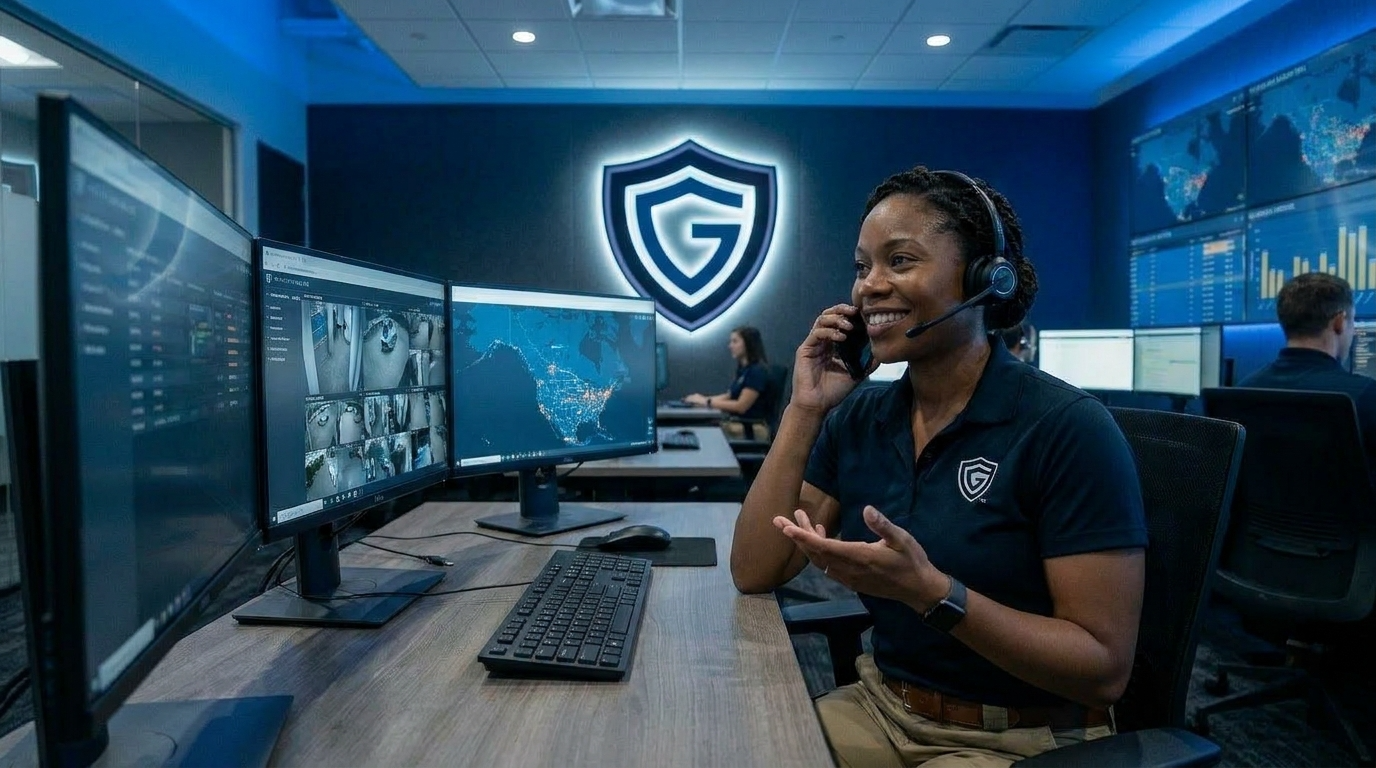
A physical security SOC gives you trained people who are awake at every hour to run your no-show plan. Guardian Alliance SOC operators work inside the platforms you already use, including TrackTik, Belfry, Therms, StaffWizard and ES Chat, so they see the same clock-ins and schedules your managers see. Each operator completes 36 hours of training.
This goes well past simple dispatch. Through Manager on Duty (MOD) support, an operator follows your escalation rules, works your call list and reaches your decision-makers when a call needs them. Guard tour and check-in monitoring flags the missed check-in, and incident reporting documents what happened. If you are weighing an outside desk, start with our checklist for outsourcing security dispatch services, or see the full list of SOC services.
Frequently asked questions
How long should you wait before calling a guard a no-show?
Set the exact point in your written policy and name who makes the call. Start contact attempts at shift start, because the outgoing officer is already waiting and the post is at risk.
Can you fire a security guard for one no-call, no-show?
It depends on your written policy and your state’s employment laws, and protected leave may apply if there was a medical emergency. Talk with employment counsel before you set the rule, then apply it the same way to every officer.
Should you tell the client about a guard no-show?
Yes, if your contract requires notice. If a post was left uncovered for any length of time, tell the client what happened and how you covered it, because they may hear about it from their own staff.
Can an outsourced SOC handle no-shows for my guard company?
Yes, if you give it written escalation rules, an up-to-date call list and access to your platform. Guardian Alliance SOC operators work in your platform and follow your rules through Manager on Duty support.
Want your no-show plan run by trained operators who are awake at 2 a.m.? Request a consultation with Guardian Alliance SOC.