

White-Label SOC Services for Security Guard Companies
White-Label SOC Services for Security Guard Companies: Outsourcing Security Operations Center Monitoring and Integration
In an increasingly digital landscape, security guard companies face challenges that extend beyond physical premises. White-label SOC (Security Operations Center) services empower these firms to bolster their cybersecurity capabilities without the need for extensive in-house infrastructure. This article explores the nuances of white-label SOC services, their benefits, and how they can seamlessly integrate with existing security operations. As many security providers are challenged by resource limitations and the evolving threat landscape, outsourcing SOC monitoring becomes a strategic solution to enhance operational efficiency while maintaining a strong cybersecurity posture. We’ll delve into the definition and advantages of white-label SOC services, integration with physical security operations, core features, pricing models, and illustrative case studies to offer a comprehensive understanding of this vital service for security guard companies.
What Are White-Label SOC Services and How Do They Benefit Security Guard Companies?
White-label SOC services enable security guard companies to enhance their cybersecurity posture by leveraging outsourced monitoring and incident response capabilities branded as their own. These services allow providers to deliver comprehensive protection against cyber threats, ensuring a proactive approach to security. By outsourcing SOC services, firms can focus on their core competencies while benefiting from expert resources, which significantly enhances operational effectiveness.
Defining White-Label SOC and Private Label Cybersecurity Solutions
White-label SOC services refer to cybersecurity solutions provided by a third-party vendor that are customized and branded for the client company. Private label SOC solutions operate similarly but may also include tailored service offerings that further customize the monitoring and incident response processes. The key distinction lies in the branding and customization options available, allowing firms to present a unified brand identity while utilizing external expertise.
Key Advantages of Outsourcing SOC Monitoring for Security Firms

Outsourcing SOC monitoring offers several distinct advantages for security firms:
- Cost Efficiency: By outsourcing, companies reduce the need for substantial investments in technology and personnel.
- Access to Expertise: Security providers gain access to teams with specialized cybersecurity training and experience.
- 24/7 Monitoring: Outsourcing allows for continuous monitoring, ensuring instant threat detection and response capability.
By leveraging these advantages, security guard companies can improve their operational efficiency while maintaining a robust cybersecurity framework.
How Does Branded SOC Monitoring Integrate with Physical Security Guard Operations?
Branded SOC monitoring seamlessly intertwines with the operations of physical security guard companies, enhancing both cybersecurity and on-site protection through shared workflows and technology.
Overview of Security Guard Monitoring Platforms in White-Label SOC Models
Security guard firms utilizing white-label SOC services generally rely on advanced monitoring platforms that facilitate efficiency and integration. These platforms offer robust features, such as incident tracking, report generation, and alert management—essential for responding to emerging threats while managing physical security operations. The strategic choice of the right platform can significantly affect the success of the overall security strategy.
Technical Workflow: Combining Cybersecurity SOC with Onsite Security Services
The technical integration of a SOC with onsite security involves a multifaceted workflow where incidents are detected, reported, and managed collaboratively by both cybersecurity professionals and physical security teams. This holistic approach enhances the capabilities of security agencies, allowing for coordinated responses to threats and improved communication. Steps in the workflow include identification of security threats, incident response process formulation, and ongoing coordination between cybersecurity teams and onsite personnel to address diverse security challenges effectively.
What Are the Core Features of Managed SOC Services for Security Companies?
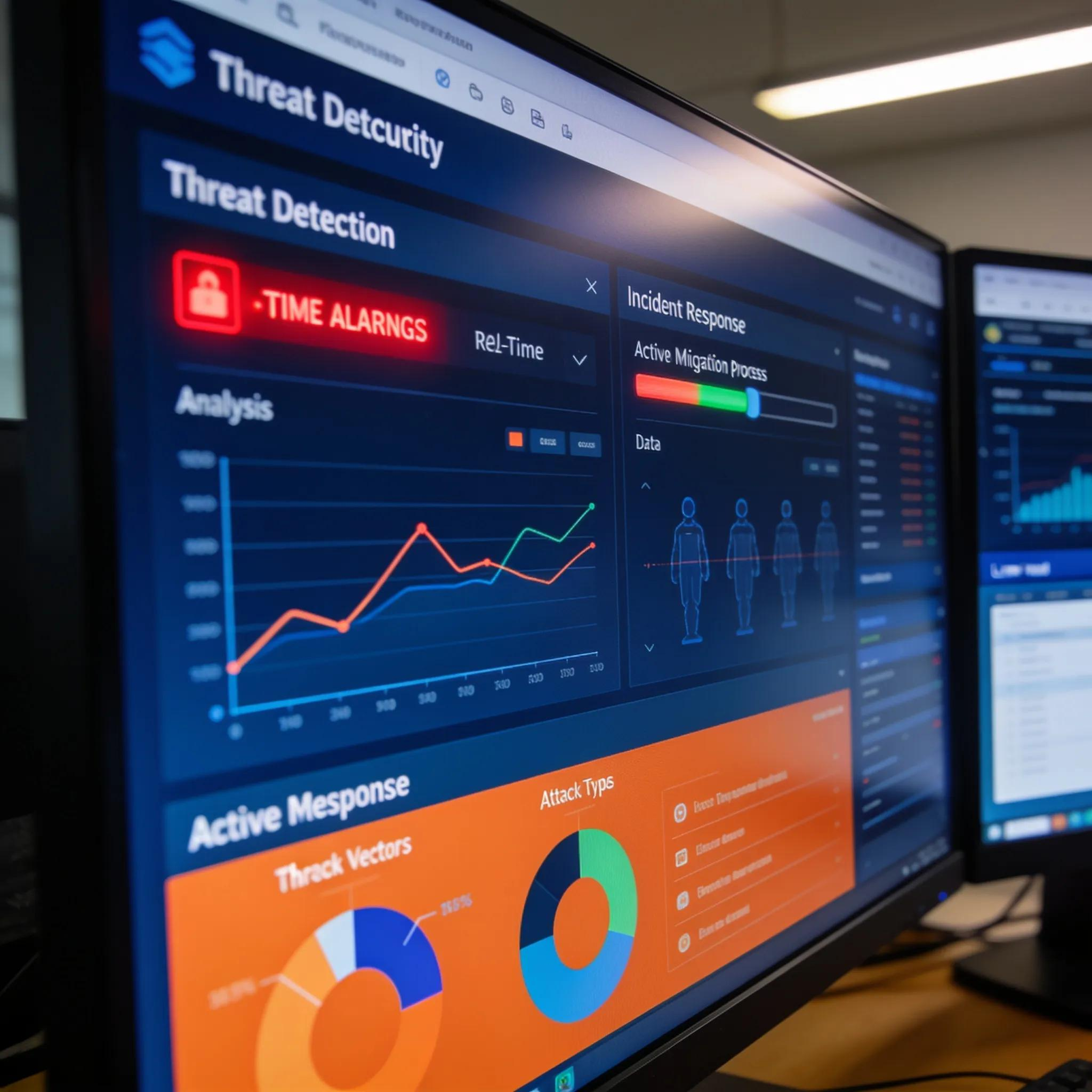
Managed SOC services provide critical features essential for protecting security companies and their clientele.
- Threat Detection: Proactive identification of potential security threats to mitigate risks before they materialize.
- Incident Response: Well-defined processes to respond swiftly to security breaches or incidents as they occur.
- Security Event Monitoring: Continuous surveillance of security events to analyze and anticipate future threats.
Threat Detection, Incident Response, and Security Event Monitoring Explained
Threat detection within managed SOC services employs sophisticated technologies to identify unusual patterns that may indicate a security breach. This includes the utilization of advanced analytics and machine learning algorithms. Incident response protocols outline specific steps security personnel must follow once a threat is identified, ensuring quick and effective action is taken to mitigate damage.
Role of SIEM, MDR, and Threat Intelligence in Private Label SOC Solutions
Central to effective SOC management are tools such as Security Information and Event Management (SIEM), Managed Detection and Response (MDR), and threat intelligence services. SIEM systems aggregate and analyze security data from multiple sources, while MDR services provide a dedicated team of experts to actively monitor, detect, and respond to threats. Threat intelligence contributes critical insights on emerging threats and vulnerabilities, enabling proactive adjustments to security measures by the security guard company.
How Are Pricing Models and ROI Structured for Private Label SOC Services?
Understanding the financial dynamics of white-label SOC services is essential for security companies looking to optimize their investments.
Common Pricing Approaches for Security Operations Center Outsourcing
Pricing models for SOC services can vary significantly, typically falling into one of the following categories:
- Hourly Rates: Charges based on the number of hours worked during monitoring or response.
- Flat Rates: A set fee for a bundled service offering that includes continuous monitoring and incident response.
- Subscription Services: Monthly or annual fees that provide comprehensive services along with scalability options for additional features.
These models enable security companies to select pricing strategies that align with their budgetary constraints and operational needs.
Calculating ROI: Business Impact for Security Guard Companies Using White-Label SOC
When calculating ROI from white-label SOC services, security companies must analyze several factors including the financial gains from prevented security breaches, enhanced brand reputation, and expanded service offerings. A methodical approach to ROI calculation could involve assessing the cost savings generated through reduced incidents alongside enhanced service capabilities.
This table illustrates how different service pricing strategies directly influence the potential ROI for security guard companies.
Which Case Studies and Success Stories Showcase Effective White-Label SOC Deployments?
A wealth of successful implementations can be cited as evidence of effective white-label SOC services shaping improved operational outcomes for security guard firms.
Examples of Security Guard Firms Leveraging Managed SOC Services Successfully
Case studies reveal stories of how security companies have successfully integrated white-label SOC services, enhancing their operational effectiveness significantly. For instance, a major security provider reported a reduction in security incidents after engaging a third-party SOC service, illustrating a tangible benefit derived from this outsourcing model.
Lessons Learned from Integrating SOC Monitoring with Physical Security Operations
Insights gained from these implementations highlight the importance of selecting reliable partners for SOC services. Key takeaways include the necessity for comprehensive staff training and the value of seamless integration of tools and processes for holistic security management.
What Are Frequently Asked Questions About White-Label SOC Services for Security Companies?
In the evolving landscape of cybersecurity, many common queries arise surrounding white-label SOC services.
What Is White-Label SOC and How Does It Work for Security Guard Companies?
White-label SOC denotes a service model that allows security guard companies to offer cybersecurity solutions branded as their own. This operational framework enables firms to provide an umbrella of security while relying on specialized partners for expert management of monitoring and response.
How Does Private Label SOC Improve Security Monitoring Efficiency?
Private label SOC services streamline security monitoring by utilizing advanced technology solutions and expert teams to provide quick responses to threats. This efficiency means that security guard companies can allocate resources more effectively, thus enhancing overall operations and retention of clients due to increased security assurances.